
Reverse Mortgages in BC
Access your home equity without monthly payments. Enjoy retirement on your terms with a CHIP Reverse Mortgage.
A reverse mortgage is a financial solution designed specifically for Canadian homeowners aged 55 and older who want to access their home equity without selling their property or making monthly mortgage payments. In British Columbia's Lower Mainland, where home values have appreciated significantly over the years, many retirees find themselves "house rich but cash poor"—sitting on substantial equity but lacking the liquid funds needed for a comfortable retirement.
The CHIP Reverse Mortgage, Canada's leading reverse mortgage product, allows you to convert up to 55% of your home's appraised value into tax-free cash while retaining full ownership of your property. Unlike traditional mortgages where you make monthly payments to the lender, a reverse mortgage pays you. The loan, along with accumulated interest, is only repaid when you choose to sell your home, move into long-term care, or upon the passing of the last homeowner.
At Legacy Mortgage Group, Harpreet Sandhu specializes in helping BC seniors navigate the reverse mortgage process with clarity and confidence. Whether you're looking to supplement retirement income, cover healthcare expenses, help family members, or simply enjoy your retirement years without financial stress, a reverse mortgage might be the solution you've been seeking.
Is a Reverse Mortgage Right for You?
Ideal Candidates
- Homeowners 55+ with significant home equity
- Retirees seeking to supplement pension or investment income
- Seniors wanting to age in place without financial stress
- Those needing funds for home renovations or accessibility upgrades
- Homeowners looking to help children or grandchildren financially
- Seniors with limited income who don't qualify for traditional refinancing
Consider Alternatives If
- You plan to move or downsize within the next few years
- You have sufficient retirement income from other sources
- You want to leave maximum home equity to heirs
- You qualify for a traditional HELOC with lower rates
- You're comfortable making monthly loan payments
How Reverse Mortgages Work in BC
Understanding how a reverse mortgage works is essential to making an informed decision. Unlike traditional mortgages where you borrow money and make monthly payments to reduce your debt, a reverse mortgage works in the opposite direction. The lender pays you, either as a lump sum, regular payments, or a combination of both, and the loan balance grows over time as interest accumulates.
The Mechanics of a Reverse Mortgage
When you take out a reverse mortgage, you're essentially borrowing against the equity in your home. The amount you can borrow depends on several factors: your age (or the age of the youngest homeowner if there are multiple owners), your home's appraised value, its location, and current interest rates. Generally, the older you are and the more valuable your home, the more you can borrow—up to a maximum of 55% of your home's value.
The loan accrues interest over time, but you never have to make monthly payments. The total amount owing—the original loan amount plus accumulated interest—is repaid when the home is eventually sold. This typically happens when you decide to move, transition to long-term care, or upon the passing of the last surviving homeowner. At that time, the home is sold, the reverse mortgage is repaid, and any remaining equity goes to you or your estate.
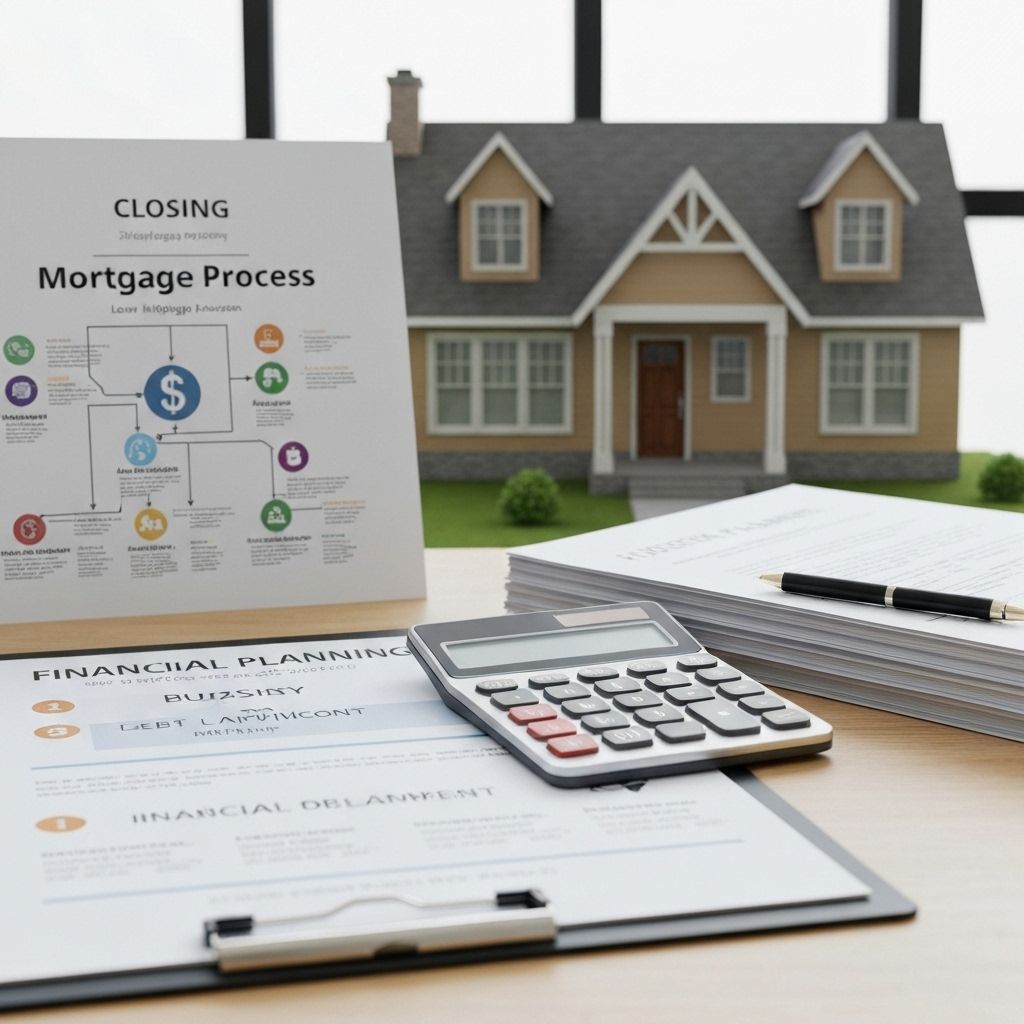
Step-by-Step Application Process
Initial Consultation
Your journey begins with a no-obligation consultation with Harpreet Sandhu. During this meeting, we'll discuss your financial goals, review your current situation, and determine if a reverse mortgage aligns with your needs. We'll explain all the details, answer your questions, and ensure you understand both the benefits and considerations. This consultation typically takes 45-60 minutes and can be done in person, over the phone, or via video call.
Independent Legal Advice
Before proceeding, you're required to receive independent legal advice from a lawyer who specializes in reverse mortgages. This is a crucial consumer protection measure that ensures you fully understand the terms and implications of the loan. The lawyer will review the contract, explain your rights and obligations, and confirm that you're entering into the agreement voluntarily and with full knowledge. This typically costs $300-$500 and takes about an hour.
Home Appraisal
A professional appraiser will visit your property to determine its current market value. This appraisal is essential because the loan amount is based on your home's value. The appraiser will assess your home's condition, location, size, and recent comparable sales in your area. In BC's Lower Mainland, where property values can vary significantly between neighborhoods, an accurate appraisal is crucial. The appraisal typically costs $300-$400 and is completed within a week.
Application and Underwriting
Once the appraisal is complete and you've received legal advice, we'll submit your formal application to the lender. The underwriting process for reverse mortgages is generally simpler than traditional mortgages because there are no income or credit score requirements. The lender primarily focuses on your age, the property value, and ensuring the property meets their criteria (single-family home, townhouse, or condo in good condition). This process typically takes 1-2 weeks.
Approval and Closing
After approval, we'll schedule a closing date. At closing, you'll sign the final documents, and the funds will be disbursed according to your chosen payment structure—lump sum, monthly payments, or a combination. If you have an existing mortgage, it will be paid off first from the reverse mortgage proceeds. Any remaining funds are yours to use as you wish. The entire process from initial consultation to closing typically takes 6-8 weeks.
Payment Options
One of the advantages of a reverse mortgage is flexibility in how you receive your funds:
- Lump Sum: Receive all funds at once, ideal for large expenses like home renovations, paying off debts, or making a significant purchase.
- Monthly Payments: Receive regular monthly income to supplement your pension or retirement savings, providing predictable cash flow.
- Combination: Take a portion as a lump sum and receive the rest as monthly payments, offering both immediate funds and ongoing income.
- Line of Credit: Access funds as needed, paying interest only on the amount you've drawn, providing maximum flexibility.
Reverse Mortgages in British Columbia
British Columbia has specific regulations and considerations that affect reverse mortgages. Understanding these BC-specific factors is essential for making an informed decision.
Property Tax Deferment Program
BC offers a Property Tax Deferment Program for homeowners 55+ that allows you to defer property taxes until you sell your home. This program can work alongside a reverse mortgage, though you'll need to ensure the combined loan amounts don't exceed your home's value. Many seniors use both programs together to maximize their cash flow in retirement.
Home Owner Grant
Taking out a reverse mortgage doesn't affect your eligibility for BC's Home Owner Grant, which reduces your property taxes by up to $570 for homes valued under $1.625 million (or $845 for homes in northern and rural areas). You'll continue to receive this benefit as long as you meet the other eligibility criteria.
Strata Properties
If you own a condo or townhouse in a strata, your property may qualify for a reverse mortgage, but there are additional considerations. The strata must be in good financial health, with adequate contingency and depreciation reserves. The lender will review the strata's financial statements and may decline properties in stratas with significant deferred maintenance or special assessments planned.
Lower Mainland Market Considerations
The Lower Mainland's high property values mean that even a modest home can provide substantial reverse mortgage proceeds. A home valued at $1 million could potentially provide up to $550,000 in funds (at the maximum 55% loan-to-value ratio). However, it's important to consider that interest rates on reverse mortgages are typically higher than traditional mortgages, currently ranging from 7.5% to 9.5% annually.
Real-World Scenarios
Scenario 1: Supplementing Retirement Income
Margaret, 68, owns a home in Burnaby worth $950,000 with no mortgage. Her CPP and OAS provide $2,100/month, but she needs $3,500/month for comfortable living.
Scenario 2: Home Renovations for Aging in Place
Robert and Linda, both 72, own a home in Surrey worth $1.1M. They need $80,000 for accessibility renovations (walk-in shower, stair lift, wider doorways).
Scenario 3: Helping Family
David, 70, owns a home in Coquitlam worth $875,000. He wants to help his daughter with a $100,000 down payment for her first home.
Scenario 4: Eliminating Debt
Susan, 65, owns a home in New Westminster worth $780,000 but has $45,000 in high-interest credit card debt and a $150,000 mortgage at 5.5%.
Reverse Mortgage vs. Other Options
| Feature | Reverse Mortgage | HELOC | Downsizing |
|---|---|---|---|
| Monthly Payments | None required | Interest payments required | None (after sale) |
| Stay in Your Home | Yes, indefinitely | Yes | No, must move |
| Income Requirements | None | Must qualify | None |
| Interest Rate | 7.5-9.5% | Prime + 0.5-1% | N/A |
| Emotional Impact | Stay in familiar home | Stay in familiar home | Leave community/memories |
Protected Ownership
You retain full ownership and can never owe more than your home's value
Age in Place
Stay in your home as long as you wish without financial pressure
Tax-Free Funds
All proceeds are tax-free and don't affect OAS or GIS benefits
Frequently Asked Questions
What is a reverse mortgage and how does it work?
A reverse mortgage allows homeowners 55+ to access up to 55% of their home equity without selling or making monthly payments. The loan is repaid when you sell, move, or pass away. You retain full ownership of your home and can live there as long as you wish.
Do I have to make monthly payments on a reverse mortgage?
No. Unlike traditional mortgages, reverse mortgages require no monthly payments. Interest accrues over time and is repaid when the home is sold. You only need to maintain the property, pay property taxes, and keep home insurance current.
Can I lose my home with a reverse mortgage?
No, you cannot lose your home as long as you meet the basic requirements: living in the home as your primary residence, maintaining the property, paying property taxes, and keeping home insurance. You retain full ownership and can live there indefinitely.
How much can I borrow with a reverse mortgage?
You can typically borrow between 20% and 55% of your home's appraised value, depending on your age, home value, location, and current interest rates. The older you are and the more valuable your home, the more you can borrow.
What are the interest rates on reverse mortgages?
Reverse mortgage rates in Canada typically range from 7.5% to 9.5% annually, which is higher than traditional mortgages. However, since you make no monthly payments, the interest compounds over time and is only repaid when the home is sold.
Will a reverse mortgage affect my government benefits?
Reverse mortgage proceeds are considered loan advances, not income, so they don't affect your Old Age Security (OAS) or Guaranteed Income Supplement (GIS) benefits. However, if you invest the proceeds and earn income, that investment income could affect your benefits.
What happens to my reverse mortgage when I die?
When you pass away, your estate has up to 180 days to repay the reverse mortgage. This is typically done by selling the home. Any remaining equity after the loan is repaid goes to your beneficiaries. Your heirs can also choose to keep the home by repaying the loan from other sources.
Can I pay off my reverse mortgage early?
Yes, you can repay your reverse mortgage at any time. However, there may be prepayment penalties depending on your contract terms. Some lenders allow you to repay up to 10-20% annually without penalty. It's important to review the prepayment terms before signing.
What types of properties qualify for reverse mortgages?
Most single-family homes, townhouses, and condos in urban areas qualify. The property must be your primary residence, in good condition, and meet the lender's criteria. Some rural properties and mobile homes may not qualify. Strata properties must have healthy reserve funds.
How long does it take to get a reverse mortgage?
The entire process typically takes 6-8 weeks from initial consultation to closing. This includes time for independent legal advice (required by law), home appraisal, application processing, and underwriting. We can expedite the process if you have urgent needs.
Can I get a reverse mortgage if I still have a mortgage?
Yes, but your existing mortgage must be paid off first using the reverse mortgage proceeds. For example, if you owe $200,000 on your current mortgage and qualify for $400,000 in reverse mortgage funds, $200,000 would pay off your existing mortgage and you'd receive the remaining $200,000.
What are the costs associated with getting a reverse mortgage?
Typical costs include: home appraisal ($300-$400), independent legal advice ($300-$500), and lender setup fees (usually $1,500-$2,000). These costs are typically rolled into the loan, so you don't pay them out of pocket. There are no ongoing fees as long as you meet the basic requirements.
Ready to Explore Your Options?
Get expert guidance on reverse mortgages from Harpreet Sandhu. No obligation, just honest advice tailored to your situation.
Harpreet Sandhu is a licensed mortgage broker in British Columbia (License #123456). All reverse mortgage products are subject to lender approval and property qualification. Rates and terms are subject to change. This information is for educational purposes and does not constitute financial advice. Please consult with a qualified financial advisor and lawyer before making any decisions.